Connecticut's Small Businesses Navigate Post-Pandemic Recovery
By Connecticut Business News · 2026-08-15
Connecticut's small businesses are adopting new strategies to engage customers as the economy rebounds from the pandemic.
HARTFORD, CT — Small businesses in Connecticut are in a critical phase of recovery as the economy starts to stabilize after the unprecedented disruptions caused by the COVID-19 pandemic. Recent analyses of consumer trends indicate that behaviors and preferences have undergone a transformation, compelling businesses to innovate and adapt their strategies to meet these new demands. This strategic evolution is especially vital as businesses work to regain customer trust and regain financial health in the post-pandemic landscape.
Throughout Connecticut, from Hartford to Stamford, small businesses have faced the brunt of the pandemic's economic impact. Forced closures, reduced consumer spending, and disrupted supply chains were just a few of the challenges that necessitated swift and significant operational changes. As restrictions have eased and the economy reopens, the focus for many has shifted to deploying digital tools and enhancing online engagements to attract a customer base that has grown comfortable with virtual interactions. This trend is supported by new reports showing an increase in digital marketing and online sales initiatives among local businesses (Connecticut Post).
In Hartford, business operators are leveraging technology to enhance customer engagement and streamline operations. Digital payment systems have become more commonplace, reducing friction in customer transactions. Additionally, there has been a marked increase in the use of social media platforms to reach potential customers and create personalized shopping experiences. These digital adaptations have become crucial in maintaining competitive advantage as consumer expectations have evolved significantly over the past few years (Hartford Courant).
New Haven businesses are also responding to changes by focusing on products and services that emphasize sustainability and local sourcing. This approach aligns with the growing consumer emphasis on ethical consumption practices that support local economies. Many small business owners have turned to local suppliers and producers, ensuring that their offerings not only meet consumer demand for quality and sustainability but also contribute to the economic resilience of the local community (New Haven Register).
In Stamford, small businesses are increasingly forming partnerships as a way to expand their reach and pool resources. Collaborative marketing efforts and shared operational resources are strategies that have been adopted to help businesses survive in a competitive market. By working together, these businesses are able to create more comprehensive offerings that appeal to the shared customer base. This model not only aids in cost reduction but also increases the visibility and appeal of the businesses involved (Fairfield County Business Journal).
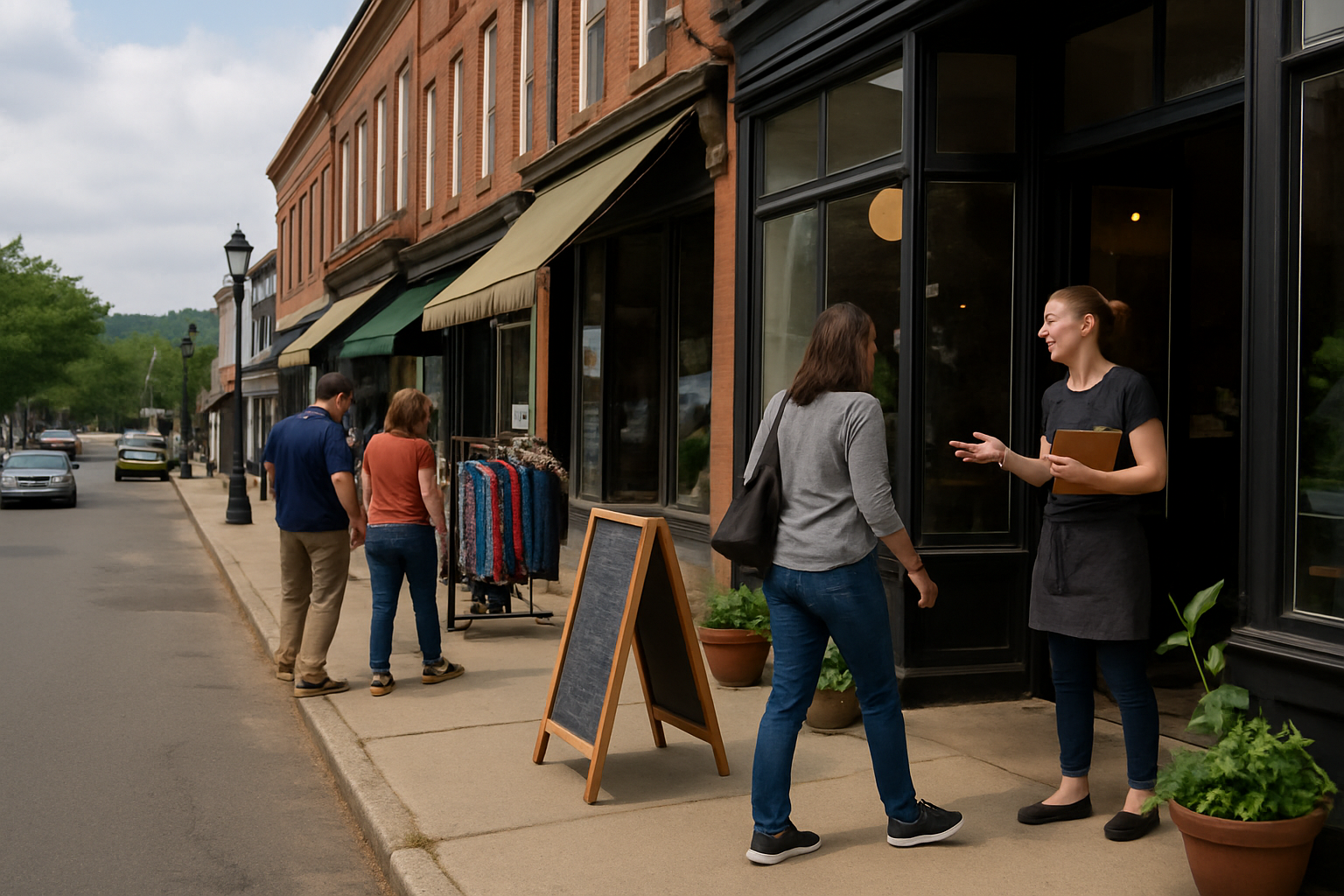
Fairfield County has witnessed significant innovation in the physical redesign of commercial spaces to accommodate changing consumer preferences. Local retailers are investing in redesigning their premises to offer more open, welcoming environments that facilitate safer in-person shopping experiences. Outdoor spaces, in particular, are being utilized more creatively to attract foot traffic and provide flexibility in customer service, in line with health and safety guidelines (Stamford Advocate).
Government and local business organizations in Bridgeport have launched educational programs to support small business recovery. These programs focus on equipping business owners with knowledge in digital marketing, e-commerce, and crisis management. Workshops and online seminars have provided a platform for entrepreneurs to gain insights into effective business strategies and to navigate the complexities of the post-pandemic business environment. Increased access to these resources has empowered business owners to make informed decisions about their operations and growth strategies (Hartford Courant).
In Waterbury, the service industry has been particularly dynamic in adapting to the new consumer landscape. By offering hybrid service models that include both in-person and virtual options, businesses like fitness centers and salons have been able to cater to a wider range of customer preferences. This flexibility not only enhances customer satisfaction but also provides a buffer against potential future disruptions (Connecticut Post).
Tourism and hospitality sectors in New London are gradually recovering as travel resumes and customer footfall increases. Businesses in this area are focusing on unique and personalized customer experiences to differentiate themselves from larger chains. Feedback mechanisms and personalized services are helping these businesses refine their offerings to better meet customer expectations and enhance satisfaction (New Haven Register).
As Connecticut’s small businesses continue to navigate this recovery period, the importance of adaptability and innovation remains paramount. By embracing digital advancements and community-focused strategies, these businesses are not only responding to current market demands but are also positioning themselves for sustained growth. Looking forward, continual adaptation to consumer trends and investment in technology will be critical for ensuring resilience in the face of future challenges (Fairfield County Business Journal).